
Key Takeaways
- House remodeling contractors typically charge $20-$210 per square foot depending on project complexity, with kitchen remodels averaging $14,200-$50,600 and bathroom renovations costing $6,000-$15,000
- Always verify contractor licensing through your state’s official website and confirm they carry both workers’ compensation and liability insurance before starting any project
- Budget an additional 10-25% beyond the initial quote for unexpected issues like structural problems or code compliance updates discovered during renovation
- Licensed general contractors must handle all electrical, plumbing, and structural work, while handymen can only perform minor tasks like cabinet installation or window replacement
- Get at least three detailed quotes from different contractors and check recent customer reviews on Google, Better Business Bureau, and social media platforms before making your decision
The home remodeling industry has reached unprecedented heights, with the U.S. market valued at over $400 billion in 2023. Yet despite this massive investment, countless homeowners find themselves trapped in renovation nightmares—projects that drag on for months, budgets that spiral out of control, and contractors who disappear without completing the job. The difference between a dream home transformation and a costly disaster often comes down to one critical decision: choosing the right house remodeling contractor.
Whether you’re planning to renovate a single room or undertake a complete home makeover, understanding how to find, hire, and work with professional contractors will protect your investment and ensure your vision becomes reality. This comprehensive guide will walk you through every step of the process, from identifying qualified professionals to managing your project from start to finish.
What is a House Remodeling Contractor and Why You Need One
A house remodeling contractor is a licensed professional who specializes in renovating occupied homes while managing the unique challenges that come with working in lived-in spaces. Unlike new construction contractors who build on empty lots, home remodeling contractors must master dust control techniques, protect existing furniture and belongings, maintain family privacy, and safeguard the structural integrity of your current home throughout the renovation process.

The distinction between different types of contractors is crucial for homeowners to understand. General contractors hold comprehensive licenses that allow them to manage all aspects of a remodeling project, including hiring and supervising subcontractors for electrical, plumbing, and structural work. They serve as project managers, coordinating multiple trades and ensuring all work meets local building codes.
Specialty contractors focus on specific trades like electrical work, plumbing, roofing, or HVAC installation. While highly skilled in their particular area, they cannot legally perform work outside their specialty without additional licensing. For example, a licensed electrician can rewire your kitchen but cannot install new plumbing or remove load-bearing walls.
Handymen occupy a different category entirely, typically handling minor repairs and installations that don’t require permits. They can install cabinet hardware, replace windows, paint walls, or install flooring, but they cannot perform electrical work, modify plumbing systems, or make structural changes to your home.
Licensed contractors are legally required for any project involving electrical modifications, plumbing changes, structural alterations, or work requiring building permits. This includes moving walls, adding electrical outlets, relocating plumbing fixtures, and installing new HVAC systems. Attempting to use unlicensed individuals for these tasks can result in code violations, insurance claim denials, and serious safety hazards.
The benefits of hiring licensed professionals extend beyond legal compliance. Professional contractors carry insurance that protects both you and them from accidents, injuries, or property damage during construction. They provide warranties on their workmanship, typically ranging from one to ten years depending on the type of work performed. Perhaps most importantly, they bring project management expertise that keeps your renovation on schedule and within budget while maintaining quality standards.
Four Main Types of House Remodeling Projects
Understanding the different categories of remodeling projects helps homeowners choose contractors with appropriate experience and plan realistic budgets. Each project type presents unique challenges and requires specific skill sets from your contractor team.
Essential Repairs and Safety Updates
Essential repairs focus on maintaining your home’s safety, functionality, and habitability rather than improving aesthetics. These projects often cannot be postponed and typically provide the foundation for future cosmetic improvements.
Roof replacement represents one of the most critical essential repairs, with costs ranging from $8,000 to $20,000 depending on material choice and home size. Foundation repairs can cost anywhere from $3,000 for minor crack sealing to $15,000 or more for major structural issues. HVAC system replacements typically run $5,000 to $12,000, while electrical panel upgrades cost between $1,200 and $3,000.
These projects require contractors with specific expertise and licensing. Roofing work demands knowledge of local weather patterns, proper ventilation systems, and waterproofing techniques. Foundation repairs may require structural engineering consultations and specialized equipment. HVAC and electrical work must be performed by licensed tradespeople to ensure code compliance and safety.
Timeline expectations for essential repairs vary significantly. Emergency repairs like storm damage or plumbing leaks may be completed within days, while comprehensive system replacements can take several weeks. The key is addressing these issues promptly to prevent more extensive and expensive damage.
High-ROI Value-Adding Projects
Value-adding projects provide strong returns on investment while improving daily living comfort and home marketability. Kitchen remodeling consistently ranks as the highest-impact renovation, with minor kitchen updates returning approximately 72% of investment costs and major remodels returning around 54%.
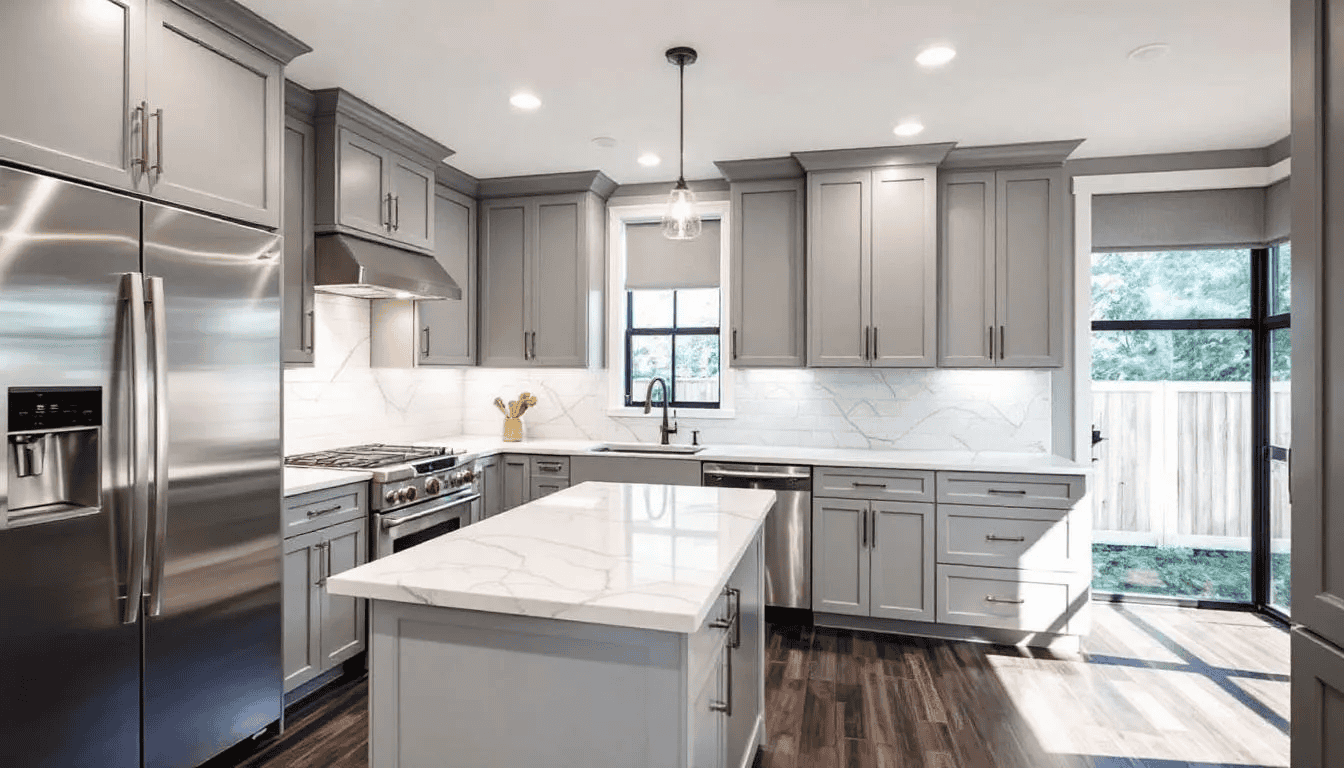
Kitchen renovations range from $14,200 for cosmetic updates to $50,600 for complete overhauls involving layout changes and high-end appliances. Bathroom remodels typically cost between $6,000 and $15,000, with luxury renovations reaching $25,000 or more. Window replacement projects average $400 to $800 per window but can provide energy savings that offset costs over time.
Current market trends in 2025 show increased demand for open-concept layouts, smart home technology integration, and energy-efficient appliances. However, material costs have risen 15-20% compared to pre-pandemic levels, and skilled labor shortages have extended project timelines by an average of 2-4 weeks.
Successful value-adding projects require contractors who understand both functional requirements and design aesthetics. They should have experience with permit requirements, code compliance for layout changes, and relationships with reliable suppliers for materials and fixtures.
Curb Appeal and Exterior Improvements
Exterior remodeling projects enhance your home’s visual appeal while protecting its structural integrity from weather exposure. These improvements often provide immediate visual impact and can significantly increase property values in competitive real estate markets.
Siding replacement costs between $8,000 and $16,000 for average-sized homes, with premium materials like fiber cement or natural wood reaching $20,000 or more. Garage door replacement provides excellent ROI at approximately 94% return on investment, with costs ranging from $1,200 to $4,000. Landscaping projects vary widely but typically cost $3,000 to $15,000 for comprehensive improvements.
Exterior work requires specialized contractor types with specific expertise. Landscape contractors understand soil conditions, drainage requirements, and plant selection for your climate zone. Roofing specialists know local wind loads and weather patterns. Siding contractors must understand moisture barriers, insulation requirements, and thermal expansion considerations.
Seasonal timing is crucial for exterior projects. Most work should be completed during dry seasons to prevent weather delays and ensure proper material installation. Planning exterior renovations requires considering weather windows, material delivery schedules, and contractor availability during peak seasons.
Luxury and Custom Renovations
High-end remodeling projects transform homes into personalized retreats with custom features and premium materials. These renovations often involve complex systems integration and require contractors with specialized skills and certifications.
Home theater installations can range from $20,000 for basic setups to $100,000 or more for professional-grade systems with acoustic treatments and custom seating. Wine cellars typically cost $15,000 to $50,000, requiring precise climate control and moisture management. Master suite additions average $80,000 to $150,000, involving structural modifications and luxury finishes.
Smart home integration has become increasingly popular, with systems controlling lighting, security, climate, and entertainment from smartphone apps. These installations require contractors certified in low-voltage systems and network infrastructure.
Timeline considerations for luxury projects extend significantly due to custom material lead times and complex installation requirements. Custom cabinetry may require 8-12 weeks for fabrication, while imported materials can take 3-6 months to arrive. Homeowners should plan accordingly and maintain realistic expectations about completion dates.
How to Find Qualified House Remodeling Contractors Near You
Finding the right contractor requires systematic research and careful vetting to ensure you hire qualified, reliable professionals. Start your search with personal referrals from trusted sources who have recent renovation experience.
Ask friends, neighbors, and coworkers about their recent projects, paying attention to both positive and negative experiences. Real estate agents often maintain networks of reliable contractors and can provide valuable recommendations based on their professional experience. Local building supply stores frequently know reputable contractors who regularly purchase materials and maintain professional accounts.
Utilize verified contractor directories for additional options. The National Association of the Remodeling Industry (NARI) maintains a directory of certified members who meet specific professional standards. The Better Business Bureau provides contractor listings along with complaint histories and resolution records. Angie’s List and similar platforms offer verified reviews from actual customers, though you should read reviews critically and look for patterns rather than isolated complaints.
Professional contractor websites reveal important information about their capabilities and professionalism. Look for comprehensive project galleries showing various renovation types and quality levels. Customer testimonials should include specific details about project challenges and how they were resolved. Professional certifications like Certified Graduate Remodeler (CGR) indicate additional training and industry commitment.
State contractor licensing verification is absolutely critical. Every state maintains online databases where you can verify licensing status, check for complaints, and review any disciplinary actions. In California, use the Contractors State License Board website. Texas homeowners should check the Texas Department of Licensing and Regulation. Florida residents can verify licenses through the Department of Business and Professional Regulation.
Review recent Google reviews, social media presence, and check for complaints with state consumer protection agencies. Look for contractors who respond professionally to both positive and negative feedback. Active social media presence often indicates ongoing business operations and customer engagement.
15 Critical Questions Every Homeowner Must Ask Potential Contractors
Thorough contractor interviews reduce project risks and help ensure successful outcomes. Prepare these essential questions and document responses to compare contractors objectively.
Licensing and Insurance Verification
Verify contractor and subcontractor licensing through official state databases before proceeding. Ask for license numbers and confirm they’re current and in good standing. Ensure the license covers your specific project type, as some licenses have restrictions on project scope or dollar amounts.
Confirm workers’ compensation and general liability insurance coverage amounts. Request copies of current insurance certificates and contact the insurance company directly to verify coverage is active. Understand that if a contractor lacks proper insurance, you may become liable for injuries or property damage that occur on your property.
Ask about insurance coverage for subcontractors. Many contractors hire independent subcontractors who should carry their own insurance. Verify this coverage exists and understand who bears responsibility if subcontractor insurance lapses.
Experience and Project Management
Inquire about contractor experience with your specific project type and scope. A contractor experienced in bathroom remodels may not be qualified for complex kitchen renovations involving structural modifications. Ask to see examples of similar projects completed within the past two years.
Understand their project management approach and who will be on site daily. Will the contractor personally oversee work, or will they assign a project manager? How do they coordinate multiple subcontractors and material deliveries? What happens if key team members become unavailable during your project?
Discuss communication preferences and meeting schedules. How often will they provide progress updates? Do they use project management software or apps that allow real-time monitoring? What is their policy for handling questions or concerns that arise during construction?
Contract Terms and Financial Protection
Review payment schedule options carefully. Legitimate contractors typically request minimal upfront payments, with the majority of compensation tied to project milestones. Avoid contractors demanding large upfront payments or full payment before work begins.
Understand change order procedures and budget overrun policies. How do they handle unexpected issues discovered during construction? What approval process is required for additional work? How are change orders priced and documented?
Clarify warranty coverage details, including length, scope, and claim procedures. What specific work is covered under warranty? How do you report warranty issues? What is the timeline for warranty repairs? Ensure warranty terms are clearly documented in your contract.

Understanding House Remodeling Costs and Budgeting
Remodeling costs vary significantly based on project scope, material choices, and regional labor markets. Understanding current pricing helps you budget realistically and identify contractors whose estimates align with market rates.
Current 2025 average costs range from $20 per square foot for basic cosmetic updates to $210 per square foot for luxury renovations involving structural modifications. Kitchen remodels average $150 to $400 per square foot, while bathroom renovations typically cost $100 to $300 per square foot. These figures include materials, labor, and basic permit fees.
Material costs and labor availability significantly impact pricing. Construction material costs have increased 15-20% since 2020 due to supply chain disruptions and increased demand. Skilled labor shortages in many regions have driven up hourly rates by 10-25%. Regional differences can be substantial, with metropolitan areas typically costing 20-40% more than rural markets.
Payment structure options include lump sum contracts, milestone payments, and cost-plus arrangements. Lump sum contracts provide price certainty but may include higher margins to cover contractor risk. Milestone payments tie compensation to project progress, protecting both parties. Cost-plus contracts charge actual costs plus a predetermined fee, requiring detailed record-keeping but potentially offering savings.
Budget for hidden costs including permits, temporary living arrangements, and storage needs. Permits typically cost 1-3% of project value but can be higher for complex renovations. If your kitchen will be unusable for several weeks, factor in dining out costs or temporary cooking arrangements. Storage rental for furniture and belongings during major renovations can cost $100-300 monthly.
When comparing contractor estimates, look beyond total price. Detailed estimates should itemize materials, labor, permits, and contingencies. Be wary of estimates significantly higher or lower than others, as both may indicate problems. Unusually high bids might include excessive margins, while low bids often result in change orders and cost overruns later.
Red Flags: Warning Signs of Unreliable Contractors
Recognizing warning signs early protects you from contractors who may deliver poor work, abandon projects, or engage in fraudulent practices. Door-to-door solicitation represents one of the biggest red flags, especially contractors claiming to have “leftover materials” from nearby jobs or offering limited-time discounts for immediate signatures.
Pressure tactics should raise immediate concerns. Legitimate contractors understand that renovation decisions require careful consideration and won’t pressure you to sign contracts immediately. Be especially wary of contractors demanding full payment upfront, claiming they need money to purchase materials. Established contractors have supplier accounts and don’t require customer financing for material purchases.
Verify that contractors have proper licensing, insurance, and local business addresses. Contractors operating from out-of-state addresses or post office boxes may be difficult to reach if problems arise. Unlicensed contractors cannot legally obtain permits or perform work requiring professional oversight, potentially leaving you liable for code violations.
Verbal estimates and handwritten contracts indicate unprofessional operations. Professional contractors provide detailed written proposals outlining scope, materials, timeline, and pricing. They use standardized contract forms and maintain professional documentation systems. Contractors who refuse to provide references or prevent you from contacting previous customers likely have something to hide.
Significant price differences from other bids warrant careful investigation. Estimates 25% higher than competitors may include excessive margins, while bids 25% lower often lead to change orders and additional costs. Extremely low bids may indicate contractors who don’t understand project complexity or plan to cut corners on materials and workmanship.
Poor communication patterns often predict project management problems. Contractors who miss scheduled appointments, fail to return calls promptly, or provide vague answers to specific questions may exhibit similar behavior during your renovation. Pay attention to how they handle your initial interactions, as this often reflects their professional standards.
Managing Your House Remodeling Project Successfully
Successful project management requires establishing clear communication protocols and maintaining regular oversight throughout construction. Schedule weekly progress meetings to review completed work, address any issues, and confirm upcoming tasks. Document these meetings in writing and ensure all parties receive copies.
Prepare your home and family for construction disruption well in advance. Establish dust barriers using plastic sheeting to contain debris in work areas. Plan alternative routes through your house if main pathways will be blocked. Consider temporary relocations for pets who might be stressed by noise and activity. Discuss daily work hours with your contractor to minimize disruption to your family’s routine.

Change orders are common in remodeling projects, but they should be managed carefully to prevent budget overruns. Require written approval for all changes before work proceeds. Understand how changes affect project timeline and budget. Keep detailed records of all approved modifications and their associated costs. Some changes may be necessary due to building code requirements or unexpected conditions discovered during demolition.
Material selections can impact both timeline and cost, so make decisions promptly when contractors request them. Delayed material choices often cause schedule disruptions that cascade through subsequent work phases. Work with your contractor to establish material selection deadlines and stick to them. Consider making backup material choices in case your first preferences are unavailable.
Quality control checkpoints help ensure work meets your standards before it becomes buried behind finished surfaces. Schedule inspections at critical phases like framing completion, rough electrical and plumbing installation, and insulation installation. Address any concerns immediately rather than waiting until project completion. Document any deficiencies with photos and written descriptions.
Final inspection procedures should be thorough and systematic. Walk through the entire project area with your contractor, testing all fixtures, outlets, and mechanical systems. Create a punch list of any incomplete or defective items that require attention. Don’t make final payment until all punch list items are completed to your satisfaction. Understand warranty activation procedures and maintain documentation for future reference.
Why Choose Surfside Contracting for Your House Remodeling Project
Surfside Contracting brings comprehensive licensing, extensive insurance coverage, and professional certifications that ensure your renovation project meets the highest standards. Their team maintains current licenses for general contracting, electrical work, and plumbing modifications, allowing them to manage complex projects without subcontracting critical systems to unknown providers.
Their proven track record with local house remodeling projects demonstrates consistent quality and customer satisfaction. With over 500 completed renovations in the past five years, Surfside Contracting has earned a reputation for delivering projects on time and within budget. Their average customer satisfaction rating of 4.8 out of 5 stars reflects their commitment to excellence and attention to detail.
 Surfside Contracting’s project management approach emphasizes clear communication and minimal disruption to your daily routine. They assign dedicated project managers who serve as single points of contact throughout your renovation. Their proprietary project tracking system provides real-time updates on progress, material deliveries, and schedule changes, keeping you informed every step of the way.
Their specialization in occupied home renovations sets them apart from contractors who primarily work on empty properties. They’ve developed specialized techniques for dust control, noise management, and protecting existing furnishings and flooring. Their team understands how to maintain family privacy and security while ensuring construction crews have necessary access to work areas.
Surfside Contracting offers comprehensive warranties covering both materials and workmanship for periods ranging from one to ten years depending on project scope. Their warranty service department responds to issues within 24 hours and maintains detailed records of all warranty work. They also provide free consultations, detailed estimates with no hidden costs, and flexible scheduling options to accommodate your family’s needs.
Their commitment to quality extends beyond project completion through ongoing maintenance support and renovation planning assistance. Many customers return to Surfside Contracting for additional projects, reflecting the trust and satisfaction they’ve earned through consistent performance and professional integrity.
FAQ
How long does a typical house remodeling project take from start to finish?
Project timelines vary significantly based on scope and complexity. Bathroom renovations typically take 2-4 weeks, kitchen remodels require 4-8 weeks, and whole-house renovations can take 3-6 months or longer. Factors affecting timeline include permit approval times, material availability, weather conditions, and change orders. Licensed contractors can provide more accurate estimates after evaluating your specific project requirements.
Do I need to move out of my home during major remodeling work?
Most homeowners can remain in their homes during renovation, though some temporary accommodations may be necessary. Kitchen remodels often require alternative cooking arrangements, while bathroom renovations may necessitate using other bathrooms in the house. Major electrical or plumbing work might require brief utility shutoffs. Discuss habitability concerns with your contractor during planning to develop appropriate solutions.
What happens if my contractor discovers structural problems or code violations during renovation?
Unexpected issues are common in remodeling projects, especially in older homes. Professional contractors should stop work immediately and consult with structural engineers or building officials as needed. Changes to address these issues typically require change orders that affect both budget and timeline. This is why most experts recommend budgeting an additional 10-25% beyond initial estimates for contingencies.
How do I handle disputes with my contractor during the remodeling process?
Document all concerns in writing and discuss them promptly with your contractor. Most issues can be resolved through direct communication and compromise. If disputes persist, review your contract terms regarding dispute resolution procedures. Many contracts include mediation clauses that provide alternatives to litigation. State contractor licensing boards often offer complaint resolution services for licensed contractors.
What should I do to prepare my home and belongings before construction begins?
Remove valuable items and personal belongings from work areas and adjacent spaces. Cover remaining furniture with plastic sheeting to protect from dust. Secure pets in safe areas away from construction zones. Take photos of existing conditions for insurance purposes. Discuss utility shutoff requirements and alternative arrangements with your contractor. Plan temporary storage solutions for items that cannot remain in the house during construction.